Let's get you powered up
Solar incentives in NYC won’t last forever—now’s the time to make the switch. Reach out for a quick, custom quote and see how much you could save.
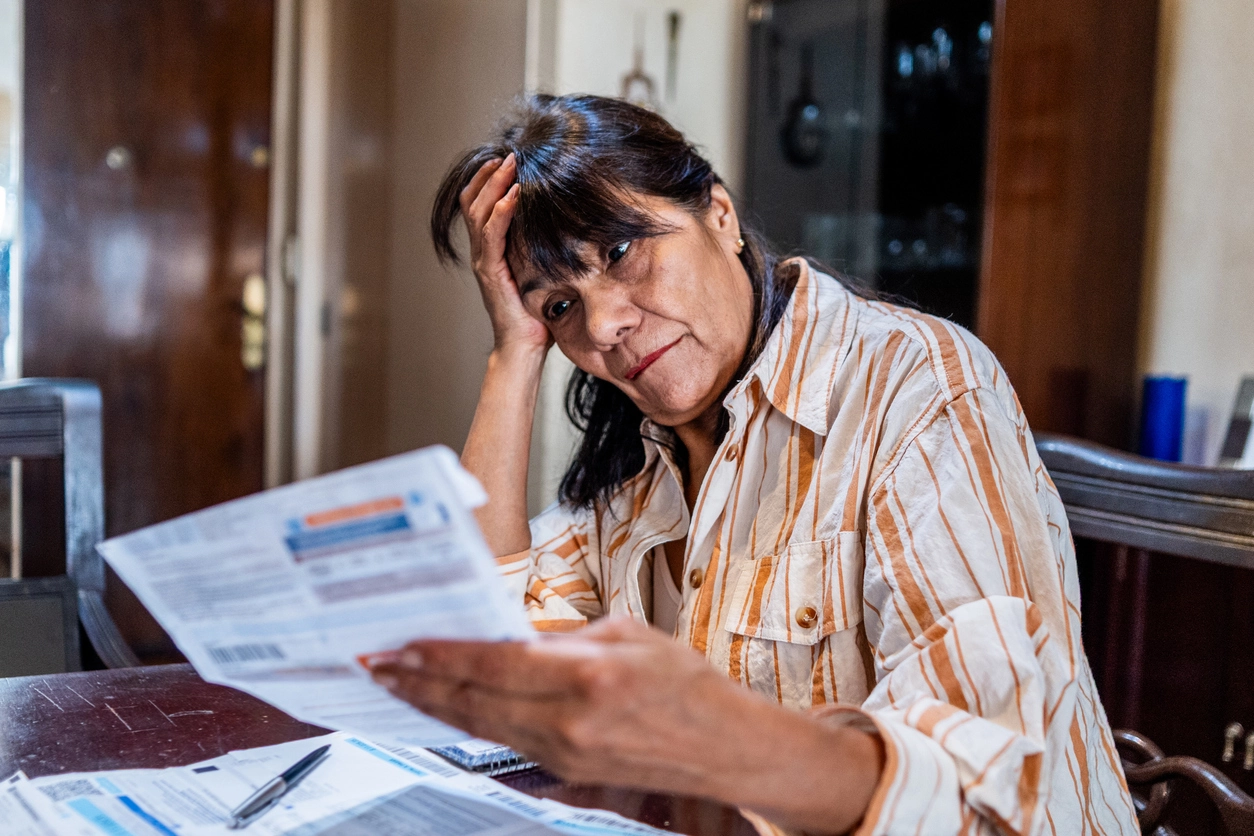
After months of intense public scrutiny and political opposition, Con Edison is moving forward with utility rate increases for 2026 that signal shifting energy economics across New York City.
For residents and businesses already strained by a high cost of living, even modest electricity and gas rate adjustments could have real budgetary impacts for homeowners. These hikes also underscore both the urgency and opportunity of switching to clean energy like solar.
Here we'll look at the rate hikes, what they mean for consumers, and why 2026 may be the year New Yorkers go all in on solar energy.
Con Edison is one of the largest investor-owned energy companies in the United States, serving more than nine million people. Founded in 1823, the company provides electric, natural gas, and steam service and operates as a regulated utility under the oversight of the New York State Public Service Commission.
The company’s proposal for 2026 followed a multi-stage public process, with an initial request for steep double-digit hikes—at one point seeking an 11.4 % rise in electric delivery rates and 13.3 % for gas—to fund infrastructure upgrades, reliability programs, resilience against extreme weather and clean energy integration. Con Edison reported a revenue of $15.26B in 2024, with higher returns expected in 2025.
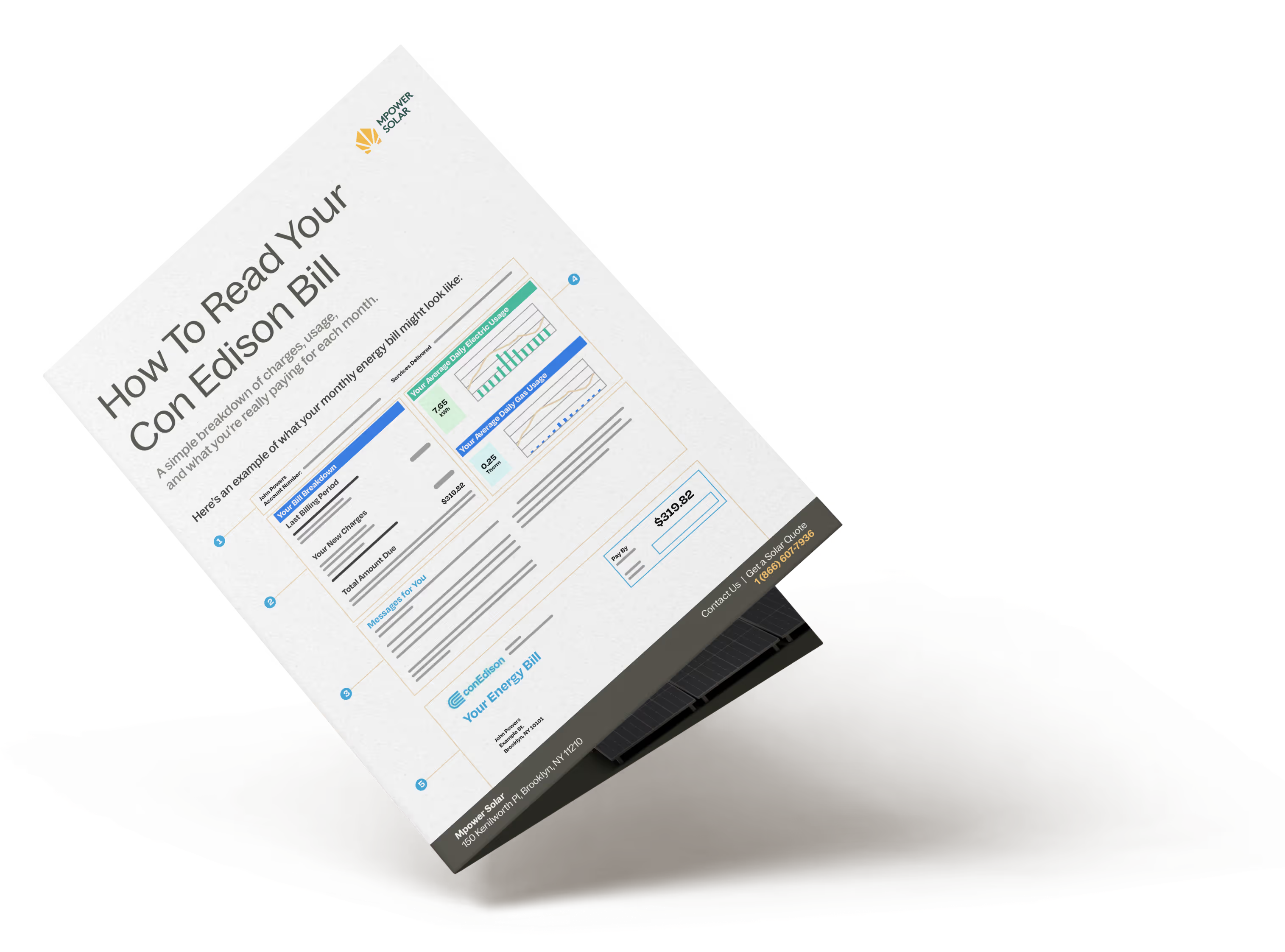
Inside you'll discover:
After widespread backlash from elected officials, grassroots advocacy groups, and thousands of everyday ratepayers, Con Ed and regulatory stakeholders reached a negotiated three-year settlement. The result: significantly scaled-back increases rather than the dramatic spikes originally sought.
Under the tentative agreement:
These changes still await final approval by the New York State Public Service Commission but represent a substantial reduction from initial proposals. When the changes are officially approved, it’s possible New Yorkers may owe “backpay” to the utility, according to reporting by Gothamist.
New Yorkers on Reddit weren’t impressed with this compromise. One user wrote, “Continue the pushback. It should be zero. There have been enough increases over the last few years.” Another said, “Coned [sic] can look for efficiencies to maintain their dividend the next few years instead of continuing to look at captive customers as a bottomless jar of money.”
For a typical household, this 2026 Con Ed rate increase translates to modest monthly increases: a few dollars added to electric bills and slightly more on gas. This is well below the dozens of dollars envisioned in the original filings but in line with repeated annual increases that New Yorkers have come to expect over the years. In an era of inflation, increasing grocery prices, and a lackluster job market, these dollar increases have a compounding effect on local wallets.
Even at reduced levels, the rate hikes reflect broader pressures facing utilities nationwide: aging infrastructure, increased demand, rising property taxes tied to energy assets, and investment in grid modernization and clean energy integration. Con Edison says these investments are essential for reliability in the face of climate-driven extreme weather and the ongoing transition to renewable energy sources.
Critics, however, argue that energy affordability is a serious concern for households and small businesses already dealing with high rents and everyday expenses. Lawmakers and consumer advocates have publicly challenged the utility, saying that double-digit increases would have been untenable for many families.
For New Yorkers weighing their energy options, solar power and energy efficiency upgrades have never been more relevant. As grid electricity prices incrementally rise year after year, solar panels can help insulate consumers like Stephanie from utility cost volatility and reduce long-term energy spending.
“Affordability is a big issue for New Yorkers these days,” says Lavie Popack, CEO of Mpower Solar. “That’s why my prediction is that 2026 will mark a major turning point, as city homeowners adopt solar at scale. People are tired of being told to conserve energy and install LED bulbs. What they want is real savings, and solar panels are the quickest, most effective way to slash your Con Edison bill.”
Here’s why solar makes sense for New Yorkers in this environment:
For homeowners and businesses considering a solar investment, rising utility rates improve the financial case for going solar—both in direct bill savings and as a contribution to New York’s broader clean energy transition.

Con Edison’s 2026 rates will not be the dramatic spike once feared—but they do reflect a utility and regulatory ecosystem grappling with balancing infrastructure investment, reliable service, and consumer affordability (as well as investor dividends).
For ratepayers, the new structure provides predictability and a clearer picture of energy costs over the next three years. For solar advocates and customers, however, the evolving economics of higher utility pricing underscores the importance of energy independence in the years to come.
Bookmark this page for updated Con Edison news for 2026 and expert insights on how these changes intersect with renewable energy policy, savings strategies, and clean energy opportunities for New Yorkers.
Solar incentives in NYC won’t last forever—now’s the time to make the switch. Reach out for a quick, custom quote and see how much you could save.
.png)
.png)