Let's get you powered up
Solar incentives in NYC won’t last forever—now’s the time to make the switch. Reach out for a quick, custom quote and see how much you could save.

Reducing your carbon footprint isn’t a new idea—but how we do it keeps evolving. Since the 1970s, the U.S. government has encouraged reductions in CO₂ emissions from fossil fuels, yet even earlier—in the 1800s—scientists already knew carbon dioxide could alter the planet’s climate.
Today, while global awareness is at an all-time high, greenhouse gas emissions continue to rise. The good news? Many of the most effective sustainability moves don’t require drastic lifestyle changes. They just require awareness and intention.
Here are five ways to lower your carbon footprint that you’ve probably never tried before.


According to Earth.org, product shipping and returns accounted for 37% of total global greenhouse gas emissions in 2020. Add to that the EIA’s finding that industrial manufacturing consumes 54% of the world’s delivered energy, and it’s clear: every new item produced carries a heavy footprint.
Your local library can help offset that. Beyond books and movies, many libraries now lend tools, board games, musical instruments, and even kitchenware—items perfect for one-off projects or occasional hobbies.
Tip for New Yorkers: Brooklyn Public Library’s Greenpoint branch offers cardholders a tool library—lending out everything from drills to soldering irons to mini glue guns. So remember to check offerings in your local community before buying new!

Behind the invisible “cloud” are physical data centers, which, according to the International Energy Agency, used 2% of the world’s electricity in 2022—and could rise to 6% by 2026.To reduce your digital footprint:
Clean out your inbox. Delete and unsubscribe from marketing emails.
Declutter your cloud. Remove old backups and large files.
Optimize storage. Compress data and store offline when possible.
These micro-tweaks reduce energy demand in massive server networks—proof that digital minimalism helps the planet.

As of early 2025, U.S. retirement funds collectively held $44.1 trillion, according to ICI. Imagine if even a fraction of that money shifted toward sustainable companies.
Ask your provider about ESG (Environmental, Social, and Governance) funds. These portfolios prioritize lower emissions, fair labor, and renewable energy growth—and, per Morgan Stanley, many perform as well as or better than traditional funds.
Moving your money to ESGs is one of the most powerful forms of environmental advocacy—proof that green investing isn’t just ethical, it’s smart economics. For more info on the financial benefits available to anyone looking to live a more sustainable lifestyle, check out solar tax credits and incentives every NYC homeowner should know.
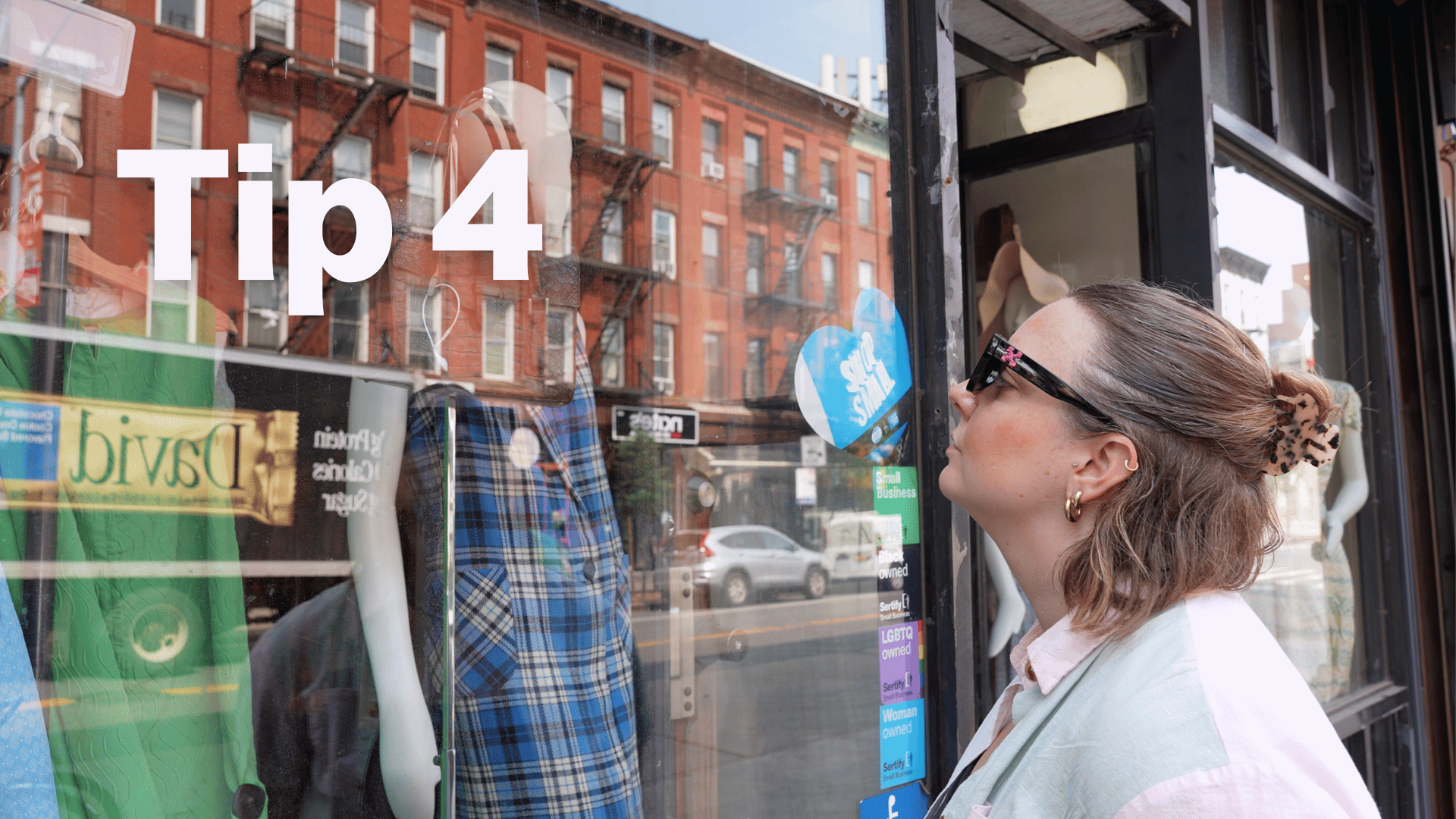
According to McKinsey & Company, by 2030 consumers are expected to purchase 102 million tons of clothing annually. Textile production already emits 1.2 billion tons of CO₂ per year—more than all international flights and shipping combined.
To make your closet more sustainable:
Each reused garment keeps fabric out of our landfills and reduces the demand for new production.

Start by advocating for sustainability in your own community:
When we act together, sustainable living becomes the norm, not the exception.
Even as our awareness grows, global emissions continue to climb. But that doesn’t mean we’re powerless.
Whether you’re borrowing from the library, cleaning up your digital life, investing sustainably, embracing slow fashion, or advocating for renewable energy—each choice helps shape a cleaner future.
At Mpower Solar, we believe change begins at home—literally. If you’re ready to make a lasting impact, learn how solar energy can lower your carbon footprint, save money, and power your home the sustainable way.
Inside you'll discover:
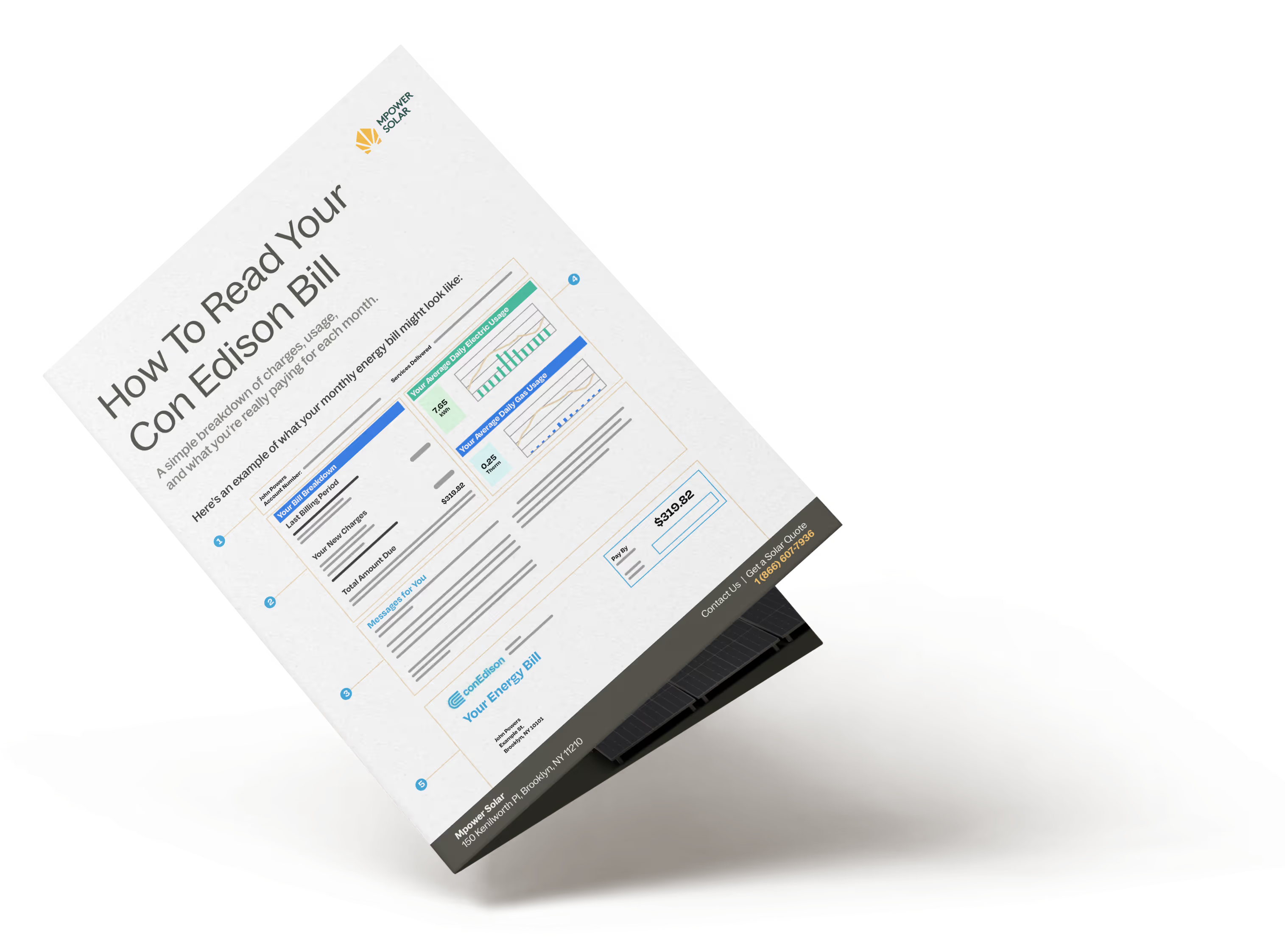
Solar incentives in NYC won’t last forever—now’s the time to make the switch. Reach out for a quick, custom quote and see how much you could save.
.png)
.png)