Let's get you powered up
Solar incentives in NYC won’t last forever—now’s the time to make the switch. Reach out for a quick, custom quote and see how much you could save.
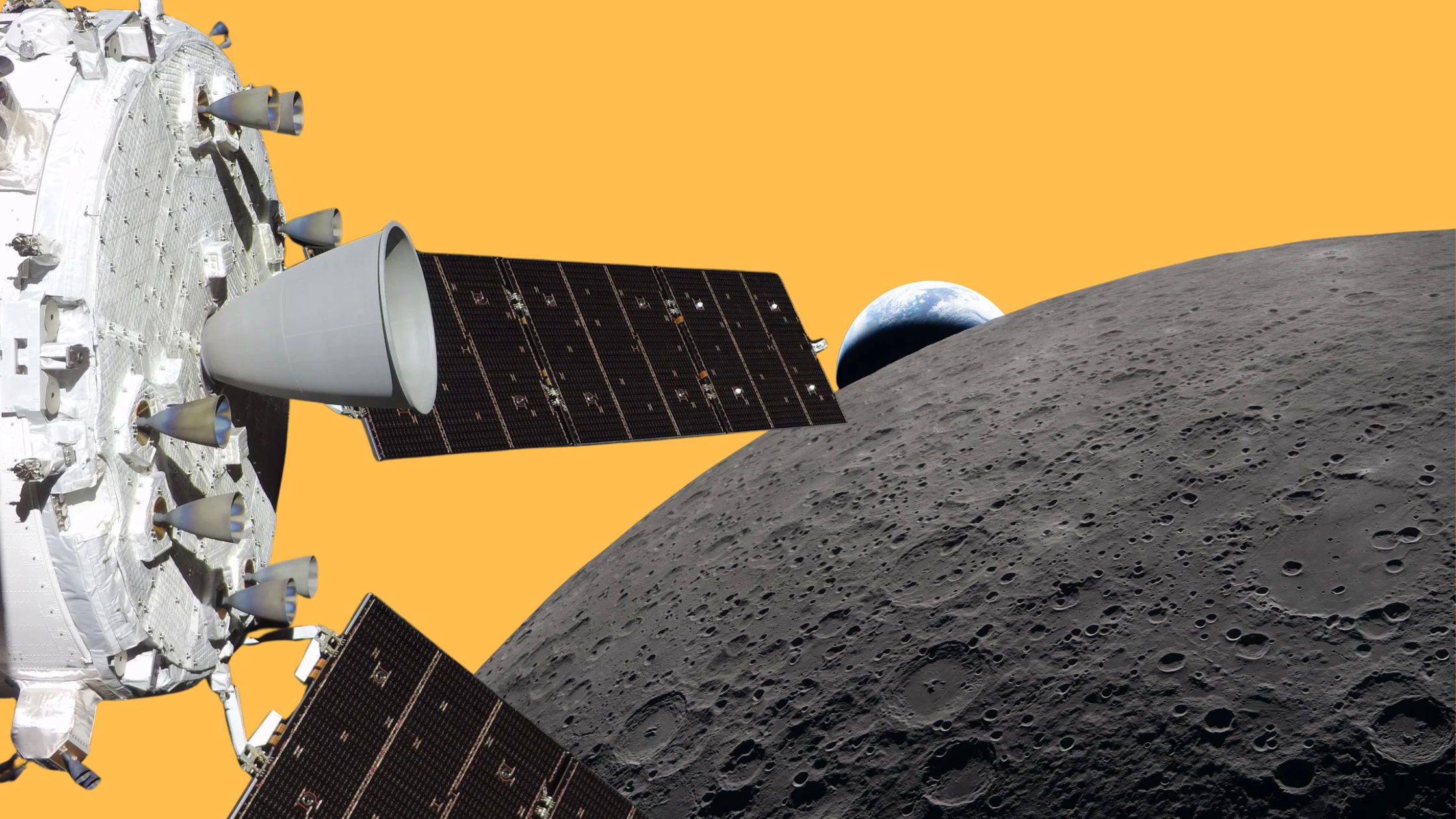
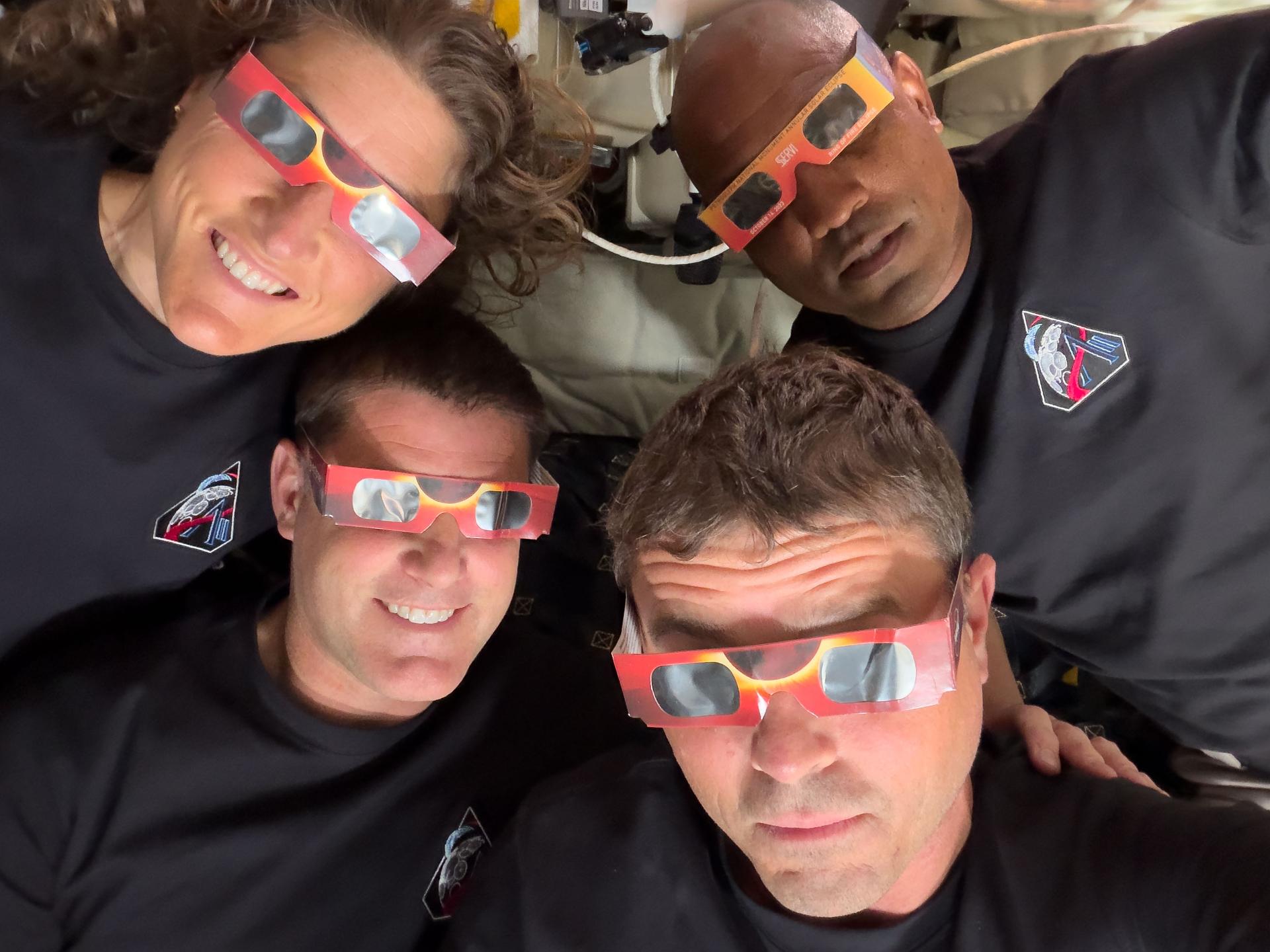
When astronauts Reid Wiseman, Victor Glover, Christina Koch, and Jeremy Hansen lifted off from Kennedy Space Center bound for the moon, they took with them a piece of technology that New Yorkers know well from their rooftops here in the city: solar panels.
That’s right—Artemis II, NASA's first crewed mission beyond low earth orbit in over 50 years, depended on photovoltaic power (i.e. solar energy) to survive a 10-day journey around the moon and back.
We're a solar installation company, so naturally we noticed.
Here's the remarkable story of how the same technology that offsets your Con Ed bill also keeps astronauts alive in deep space.
Four astronauts made the journey: NASA Commander Reid Wiseman led the mission, joined by NASA Pilot Victor Glover, NASA Mission Specialist Christina Koch, and Canadian Space Agency Mission Specialist Jeremy Hansen (making Hansen the first Canadian to travel beyond low earth orbit.)
The Orion spacecraft's survival system was built around a component called the European Service Module (ESM), designed and built by Airbus on behalf of the European Space Agency (ESA). The ESM provided the crew with the four fundamental necessities of life in deep space: air, drinking water, temperature regulation, and electrical power.
That power came entirely from solar energy.
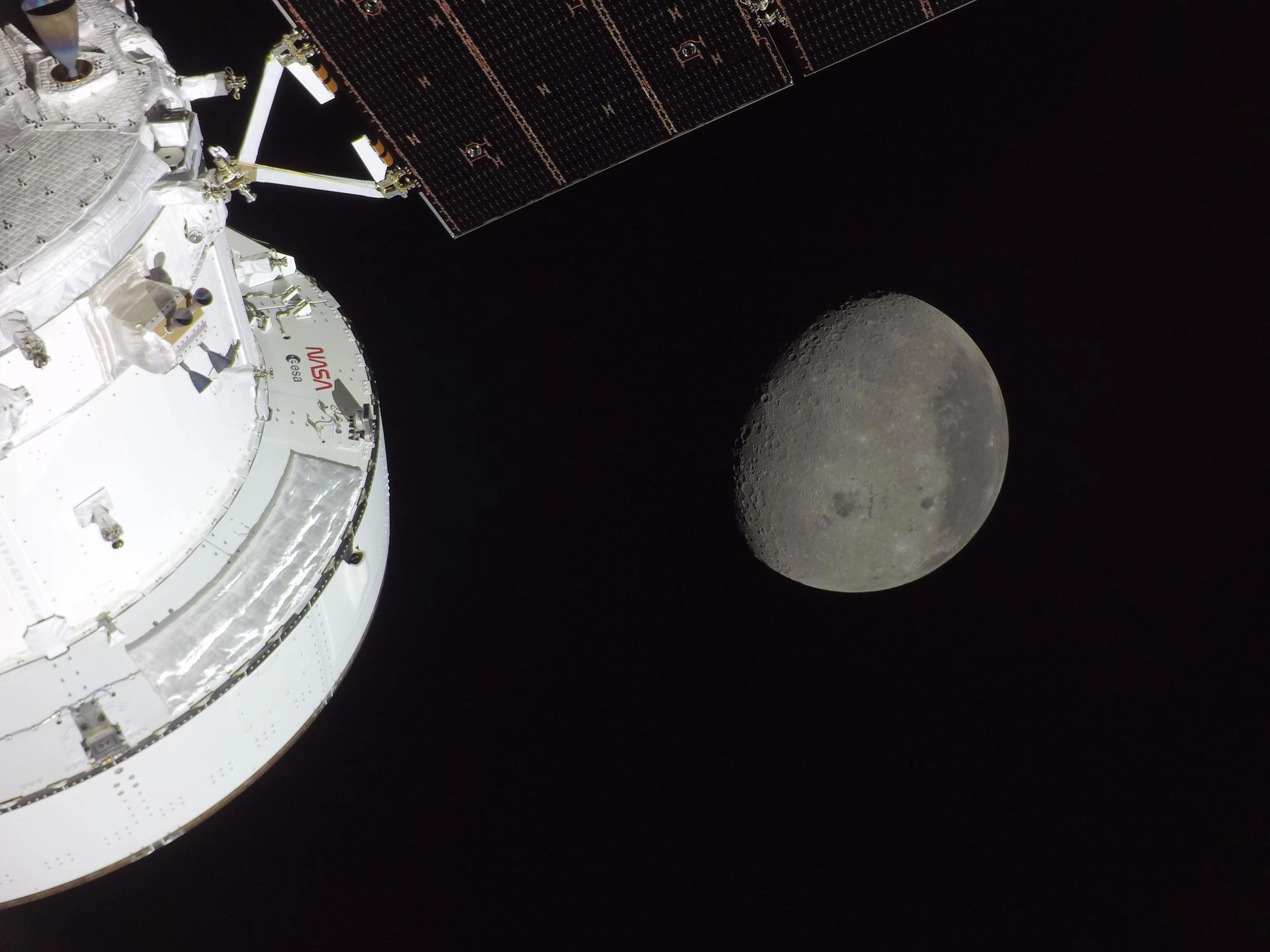
According to NASA, each of the solar wings stretches nearly 23 feet in length and contains 15,000 solar cells—60,000 cells across the four wings combined. The wings were installed at Kennedy Space Center on March 3, ahead of the mission, and deployed after separating from the Space Launch System (SLS) rocket.
Airbus put it plainly in their mission documentation: "Without them, Orion could not function."
Every onboard computer, the thermal control system, communications, navigation—all of it ran on solar photons converted to electricity by those four wings.
The solar arrays on the Orion operate on the same fundamental principle as the panels on your neighbor's roof: photovoltaic cells convert sunlight into direct current electricity. But while rooftop solar installations here in NYC are fairly straightforward, the engineering challenges in space are extreme.
The arrays can rotate to track the sun continuously, maximizing power harvest as the spacecraft's orientation shifts. They also charge onboard batteries for the periods when direct sunlight isn’t available.
On Day 6 of the mission, Orion passed behind the far side of the moon. Communications with earth went dark. The solar arrays fell out of direct sunlight. At that moment, the batteries—charged entirely by solar energy throughout the journey—became the crew’s sole lifeline.
A day-by-day look at how solar kept the Artemis II crew alive
On Day 1, immediately after separating from the rocket, the four solar array wings unfurled and power generation began. The wings briefly folded back during the perigee raise maneuver, when the acceleration forces could have damaged them, then redeployed.
During Days 2 through 5, the ESM’s main engine propelled the crew out of earth orbit toward the moon. Throughout the four-day transit, the solar arrays continuously charged batteries and powered all spacecraft systems while the crew conducted reentry drills and other tasks.
Day 6 was the most critical. Orion passed behind the moon’s far side, cutting all earth communications. The solar arrays were in shadow. The batteries, charged by solar energy since launch, powered every life-support system until Orion emerged back into sunlight.
On Day 8, the crew even practiced building a radiation storm shelter to protect against potential solar flares due to “space weather.” The ESM life-support systems (running on solar power, of course) scrubbed the air and regulated temperature while all four astronauts “hid” together in their constructed shelter.
On Day 10, the European Service Module separated from the crew capsule and burned up in earth’s atmosphere, its solar arrays gone with it. (Thank you for your service to humanity, solar arrays.) Orion continued reentry at speeds exceeding 25,000 miles per hour before its parachutes deployed for that picture-perfect Pacific Ocean splashdown.
NASA didn't choose solar for Artemis II because it was trendy. They chose it because in deep space, solar is reliable, scalable, and requires no fuel. The same qualities make it the right choice for a brownstone in Bed-Stuy or a single-family home in the Bronx.
Every major human space mission since the early 1960s has been powered, at least in part, by the sun. The ISS generates up to 120 kilowatts from its massive arrays. Early Mars rovers like Spirit and Opportunity ran on solar. NASA keeps choosing it because it works.
The technology keeps improving in both directions, too—advances in space-grade solar cells eventually find their way into residential panels, and the growing scale of the rooftop market in places like New York drives down costs that benefit everyone, including the agencies building the next generation of spacecraft.
If NASA trusts solar to keep four astronauts alive 239,000 miles from earth, it’s probably reliable enough for your New York City rooftop.

Header image credit: NASA x Lindy Hale
Inside you'll discover:

Solar incentives in NYC won’t last forever—now’s the time to make the switch. Reach out for a quick, custom quote and see how much you could save.
.png)
.png)