Let's get you powered up
Solar incentives in NYC won’t last forever—now’s the time to make the switch. Reach out for a quick, custom quote and see how much you could save.
Congratulations on the new home! With solar panels already on the roof, you've likely bought into a real asset. However, there are a few things you'll want to sort out quickly so that you're reaping the benefits of them as soon as possible.
Here's exactly what to do, in order.
This is the most important question and the answer determines everything else.
If the previous owner purchased or financed the panels, they're part of the home. The solar panels transferred to you at closing just like the appliances or the roof. You own them outright.
If the previous owner leased the panels, the solar company still owns the equipment. You inherited a lease agreement with ongoing monthly payments. This should have come up during your home sale process, but if it didn't, or if you're not sure, check your closing documents for any solar agreement.
Not sure what a solar lease is or how it works? Our complete guide to solar leasing in NYC covers everything you need to know.
Call the solar company as soon as possible. You'll need to formally transfer the lease into your name and most companies require this within 30–60 days of ownership change. Until it's transferred, the previous owner may still technically be responsible for it, which creates complications for everyone.
When you call, ask:
It’s important to note that a solar lease likely means you're not responsible for repairs or maintenance. Those are the responsibility of the solar company. Also, your monthly payment should be lower than what you'd be paying Con Edison for the same electricity.
This puts you in a great position! You have a system that's generating electricity and adding value to your home with no monthly lease payment eating into those savings.
Locate all documentation: Ask the previous owner (or their agent) for the original installation contract, system design specs, warranty documents, and any permits. If they don't have them, the original installer should be able to pull records by address.
Check your warranties: A well-installed system should have 1) a panel performance warranty (typically 25 years), 2) an inverter warranty (typically 10–25 years depending on the brand), and 3) a workmanship warranty from the installer.
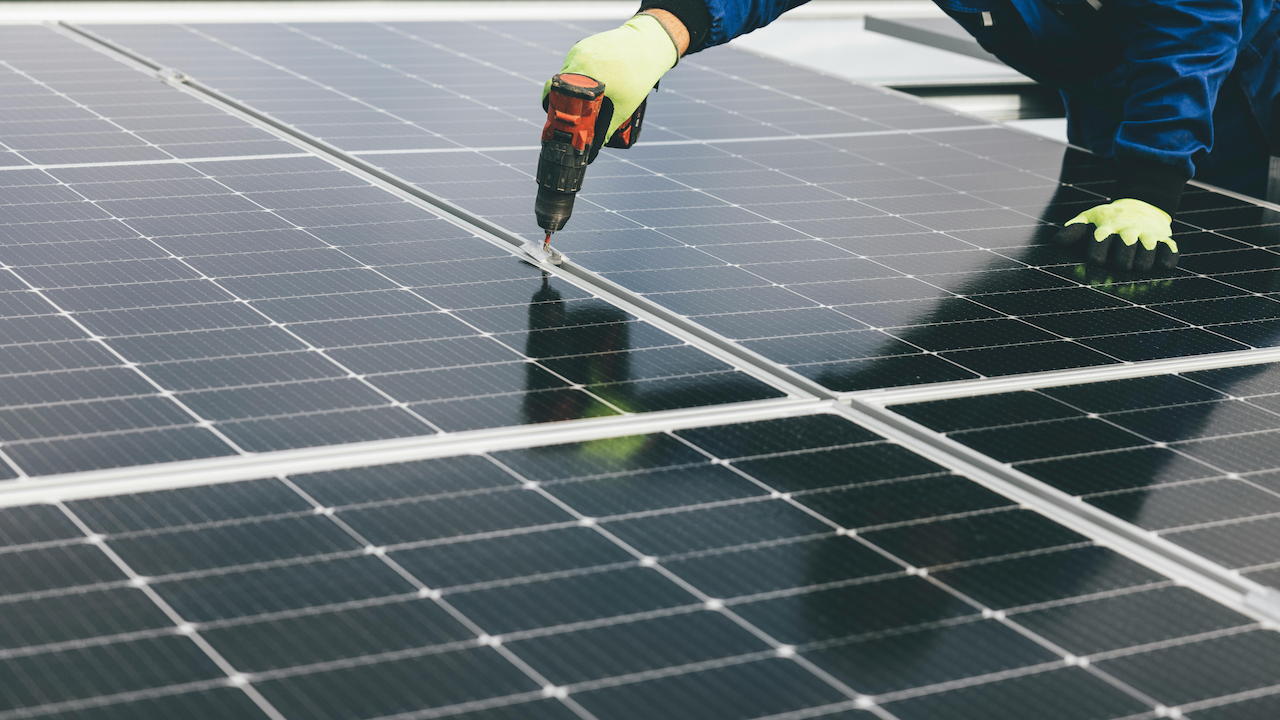
Even if the panels look fine from the street or from the roof, it's worth having a solar professional take a closer look, especially at the inverter, wiring, mounting hardware, and roof penetrations. You want to know what you're working with before any issues arise.
Most solar systems come with a monitoring app or online portal that shows you how much electricity your panels are generating in real time. Monitoring lets you catch problems early: if production drops unexpectedly, it usually means something needs attention.
If the previous owner had an account, they can transfer access to you or you can create a new account associated with your address.
Net metering is the program that credits you for excess electricity your panels send back to the grid. As a NYC homeowner, the previous owner should have had net metering set up meaning that it may transfer automatically. To be safe, you should confirm this directly with Con Edison.
Call Con Edison or log into your account and make sure:
If your net metering wasn't set up properly, you could end up paying full Con Edison rates for electricity your panels were already generating. Ensuring everything is set up correctly as soon as possible can mean real money back in your pocket.
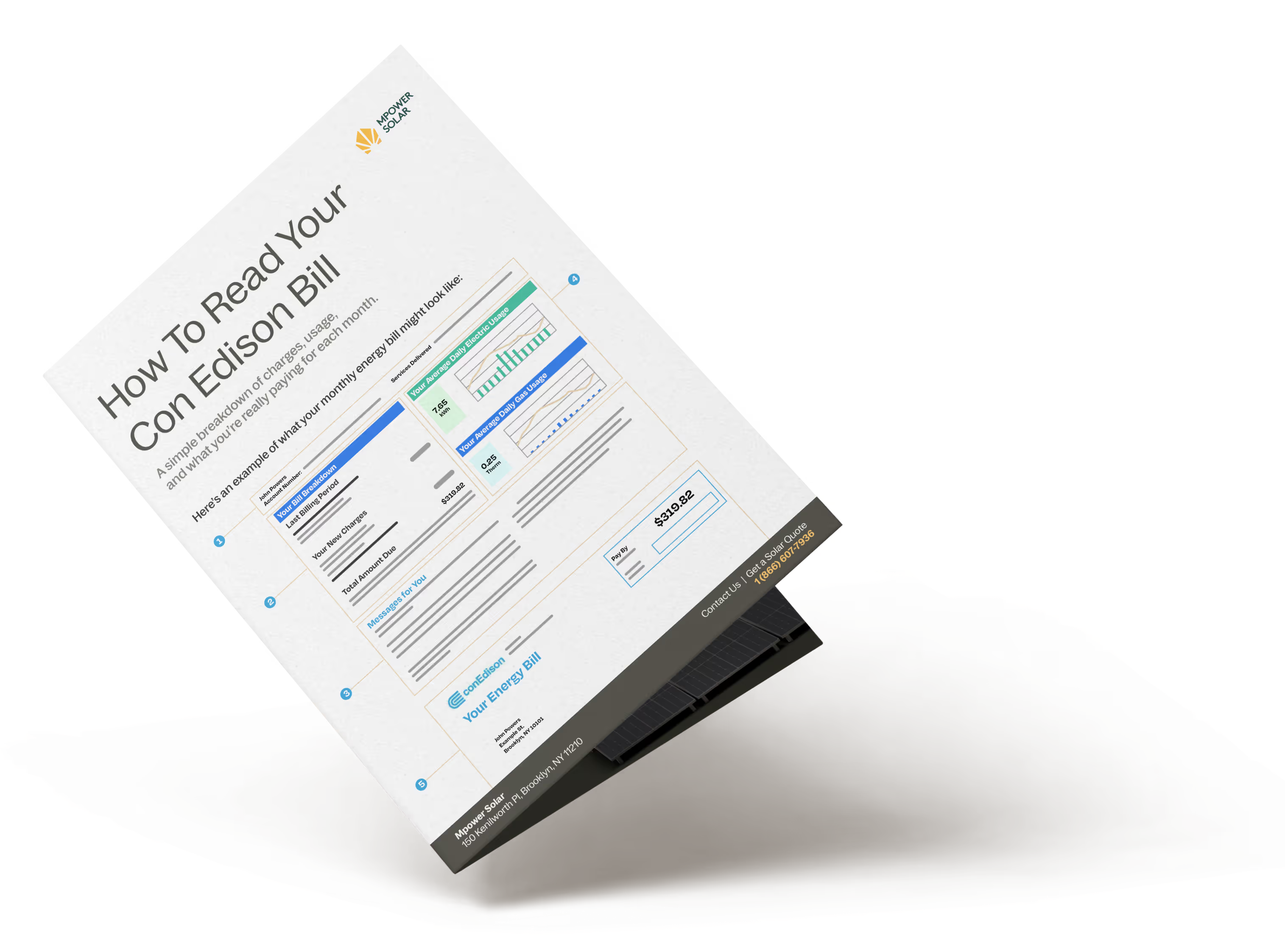
Your bill will look different from a standard Con Ed bill. You'll still see delivery charges (fixed fees for grid connection), but your supply charges should be significantly lower or even zeroed out in high-production months.
If your bill looks higher than you'd expect given that you have solar check to see if:
Inside you'll discover:
You don't need to wait for something to break. It's a good idea to have a solar professional look at your system any time you:
Buying a home with solar panels is generally a good thing because you're starting out with lower energy costs and a system that's already generating clean electricity. The key is making sure everything is properly transferred into your name, your monitoring is set up, and your net metering is working correctly.
Determine whether you own the panels outright or inherited a lease. If you’re unsure, check your closing documents. If it's a lease, contact the solar company to transfer it into your name as soon as possible.
It depends. If the previous owner purchased or financed the panels, they transfer with the home just like any other fixture. If the panels were leased, you inherit the lease agreement and must formally transfer it to your name with the solar company.
Check your closing documents for any solar agreements. You can also search your property address in the NYC Department of Buildings permit system to find the original installation permit.
Contact Con Edison directly to confirm whether a net metering agreement is already in place for your address and have it transferred to your account.
Panel performance warranties (typically 25 years) and inverter warranties (typically 10–25 years) generally follow the equipment, not the original owner. Workmanship warranties from the installer may or may not be transferable, so you’ll need to contact the original installer to confirm.
The most common reasons are: net metering not set up or transferred correctly, the system underperforming due to an inverter issue or shading, or high fixed delivery charges that solar doesn't fully offset.
Solar incentives in NYC won’t last forever—now’s the time to make the switch. Reach out for a quick, custom quote and see how much you could save.
.png)
.png)